Submission Preparation: Developing an Integrated Intervention Architecture for Self-Regulation
Every intervention begins with the hope of creating meaningful and lasting change. Yet throughout years of facilitating personal development programs, one recurring challenge became increasingly difficult to ignore: meaningful transformation is rarely determined by the quality of individual techniques alone.
Through our educational and development programs, we have worked with individuals seeking to improve emotional well-being, strengthen self-regulation, reshape limiting beliefs, and pursue long-term personal goals. Numerous evidence-based approaches are available to support these objectives, and many of them have demonstrated considerable effectiveness within their respective domains.
However, practical experience repeatedly revealed a different challenge.
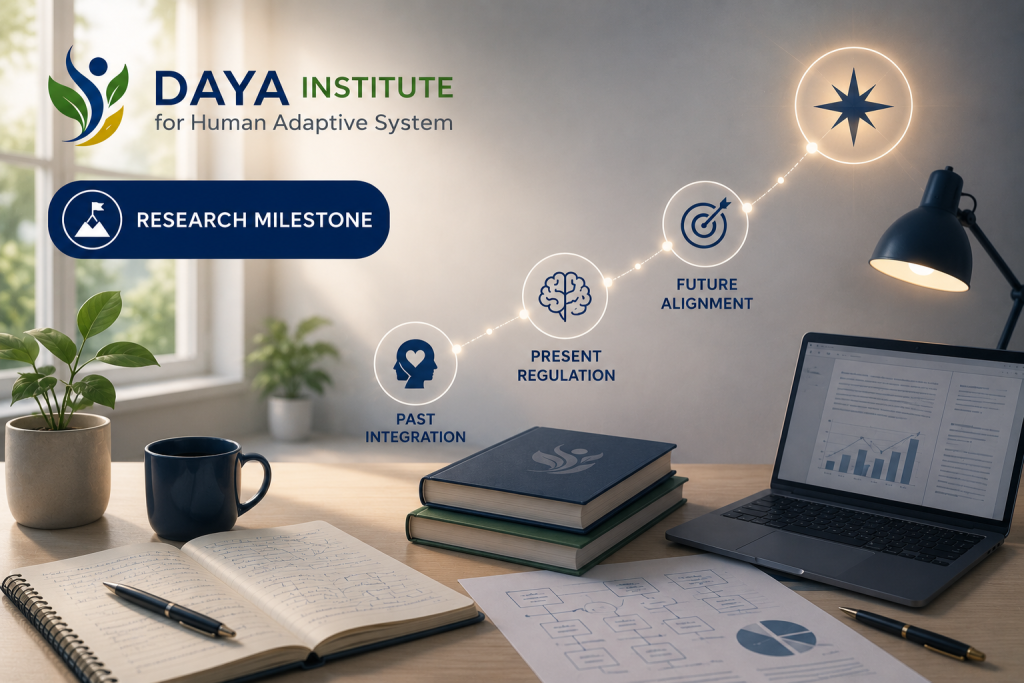
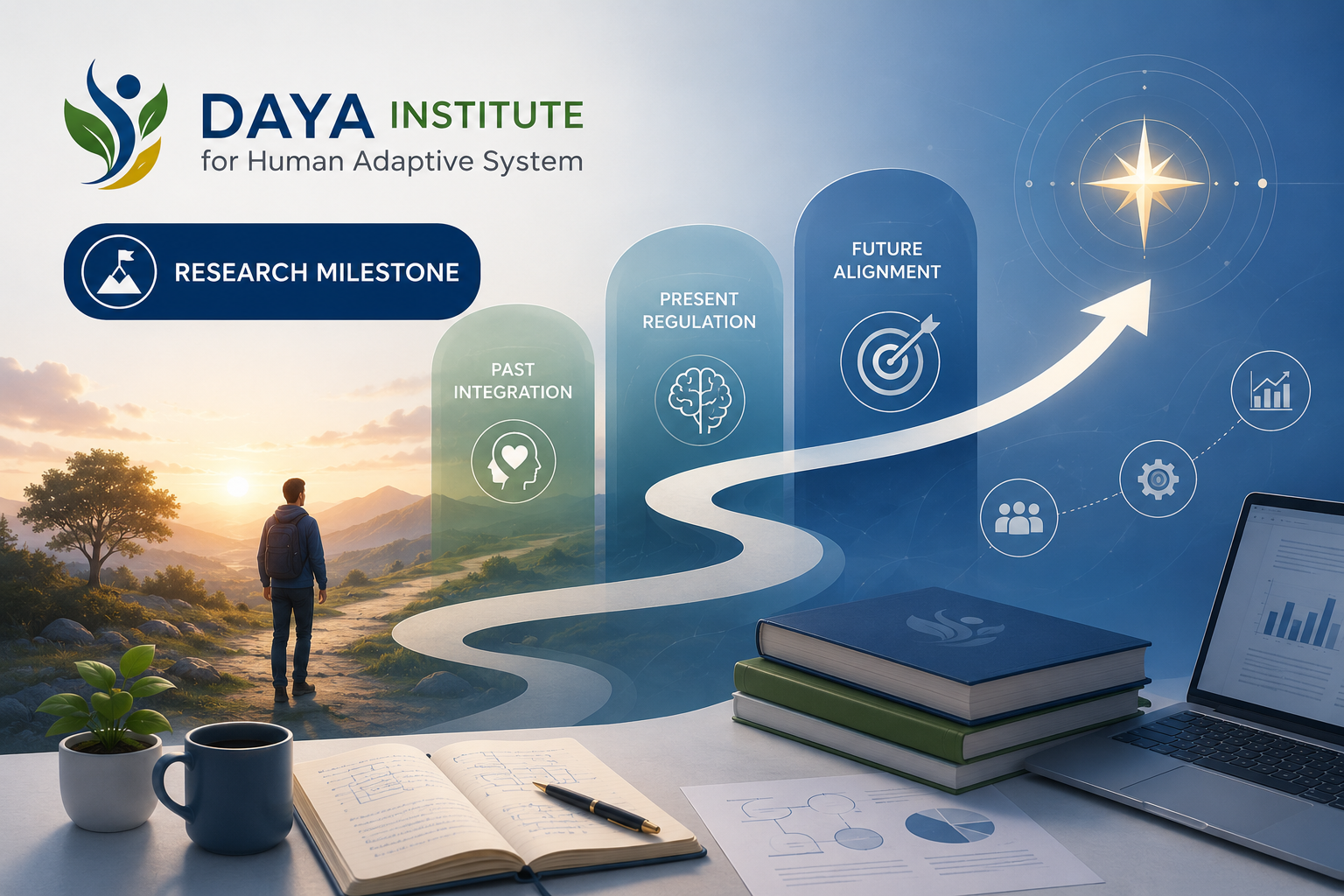
Many participants did not struggle because the techniques themselves were ineffective. Rather, they struggled because meaningful change rarely follows a simple or linear process. Progress often requires individuals to reconcile previous experiences, manage present challenges, and maintain a clear orientation toward future aspirations. When these dimensions become disconnected, even well-designed interventions may lose their long-term effectiveness.
This observation gradually shifted our attention away from asking which intervention works best and toward a different question: How should different intervention processes be organized into a coherent developmental architecture?
Instead of developing another collection of self-regulation techniques, the project focused on designing an intervention architecture capable of integrating multiple phases of personal development into a structured and coherent progression. The conceptual development was informed by years of practical experience across coaching, counseling, educational programs, and personal development initiatives, together with extensive engagement with the scientific literature on self-regulation, emotional processes, cognitive change, identity development, and human adaptation.
The resulting manuscript proposes an architectural perspective for understanding how different intervention components may be coordinated across multiple stages of personal development. Rather than treating regulatory processes as isolated techniques, the study explores how they can be sequenced and integrated into a more sustainable framework for non-clinical self-regulation.
The manuscript has now reached the Submission Preparation stage. Conceptual refinement, manuscript editing, reference verification, language polishing, and technical review have been completed. The remaining phase focuses primarily on identifying the journal that best aligns with the scope and contribution of the study before formal submission.
For our research team, this milestone represents more than the completion of another manuscript. It reflects an ongoing commitment to transforming practical experience into theoretically grounded scholarship—allowing questions that emerge from real-world intervention practice to evolve into research that may contribute to broader conversations within the field of self-regulation and human development.